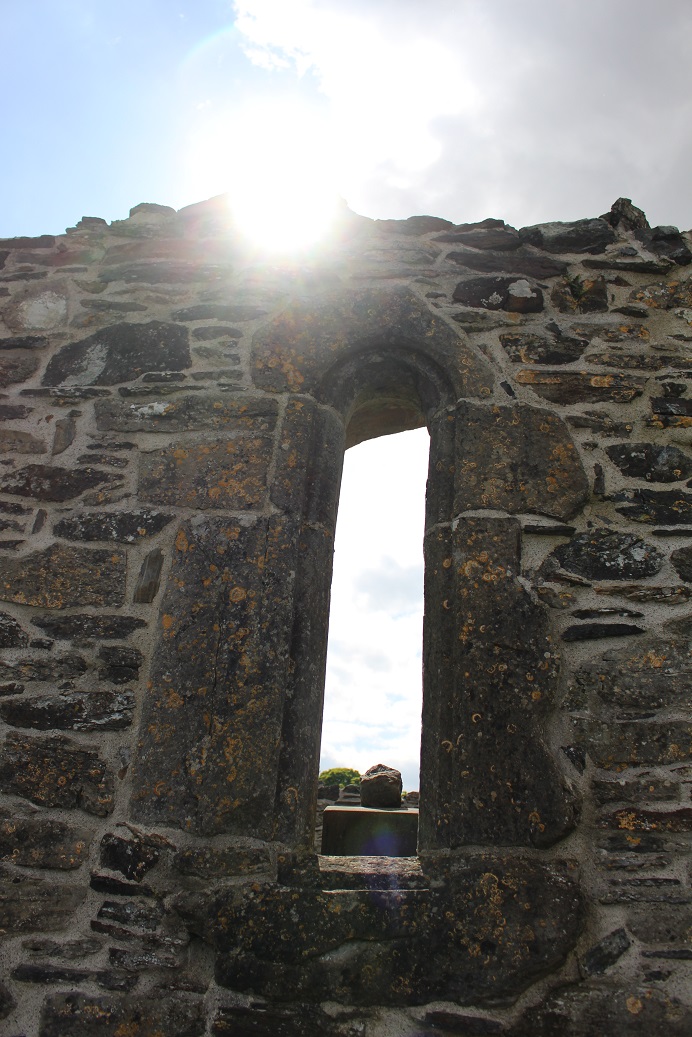
St Colmcille, also known as St Columba, is one of the most revered saints in Irish history.
Born in 521 AD in what is now County Donegal, Ireland, he is celebrated for his profound influence on the religious, cultural, and social landscape of Ireland and Scotland.
Alongside St Patrick and St Brigid, Colmcille is one of Ireland’s three patron saints. His legacy endures through the monasteries he founded, the cultural and religious traditions he established, and the values he espoused.
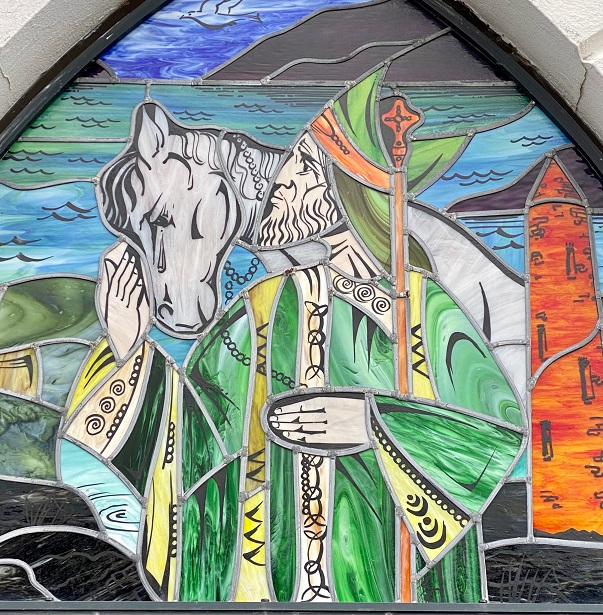
Colmcille was born into a noble family, a descendant of Niall of the Nine Hostages. His father, Fedhlimidh, and his mother, Eithne, were both of royal descent.
From an early age, Colmcille showed a deep interest in religion and education. He studied under several prominent religious figures of the time, including St Finnian of Moville and St Finnian of Clonard.
It was during his time at Clonard that he became one of the “Twelve Apostles of Ireland,” a group of twelve students who studied under St Finnian and later became influential figures in the spread of Christianity in Ireland.
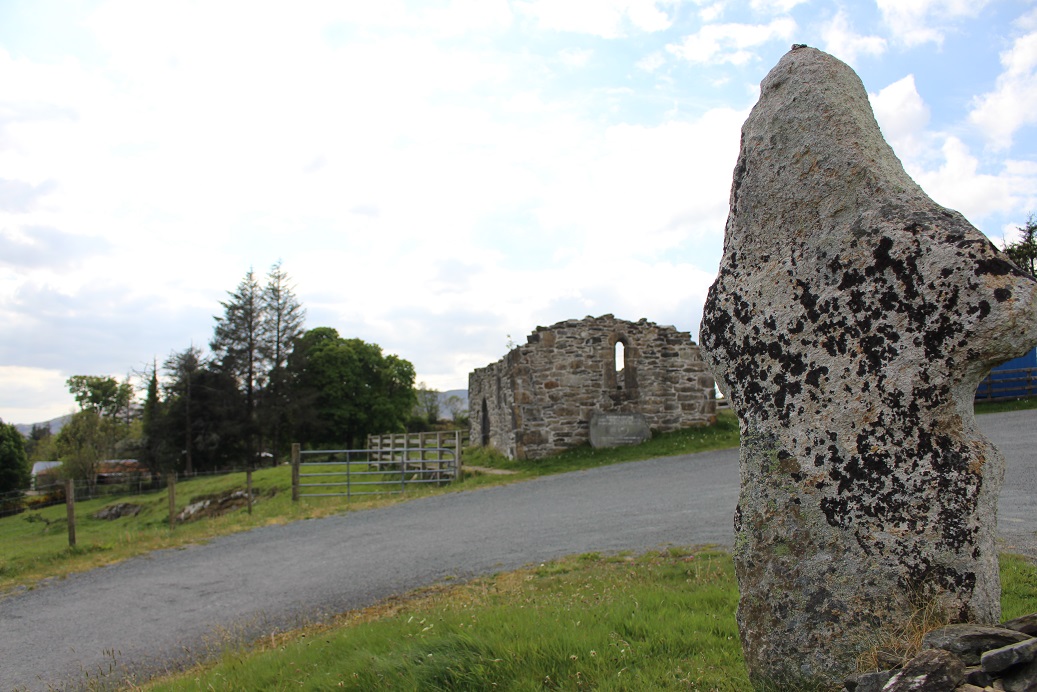
Colmcille is credited with founding several important monasteries in Ireland, including those at Derry, Durrow, and Kells. These monasteries became centers of learning, culture, and religious practice.
They played a crucial role in the preservation and dissemination of Christian teachings and Irish culture during a time when much of Europe was experiencing turmoil and decline.
One of the most significant events in Colmcille’s life was his involvement in the dispute over a psalter (a book of Psalms) that he copied without permission from St Finnian of Moville.
his dispute led to the Battle of Cúl Dreimhne, also known as the Battle of the Book, in which many lives were lost. As a result of this conflict, Colmcille chose to go into self-imposed exile as an act of penance.
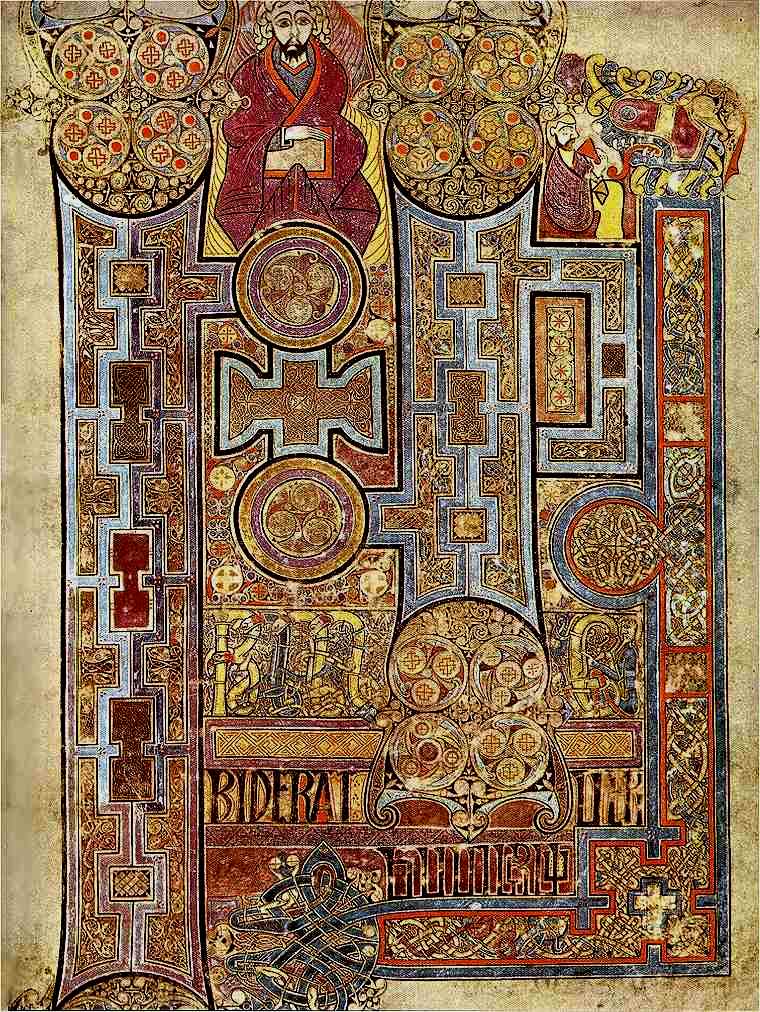
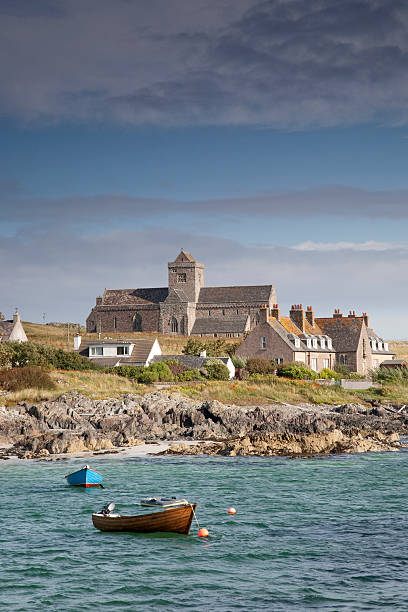
In 563 AD, Colmcille left Ireland and traveled to the island of Iona off the west coast of Scotland.
There, he established a monastery that would become one of the most important religious and cultural centers in the British Isles.
The Iona Abbey served as a base for Colmcille’s missionary work among the Picts and Scots, spreading Christianity throughout Scotland and beyond
Colmcille’s life and work were guided by a set of core values that continue to inspire people today.
These values include:
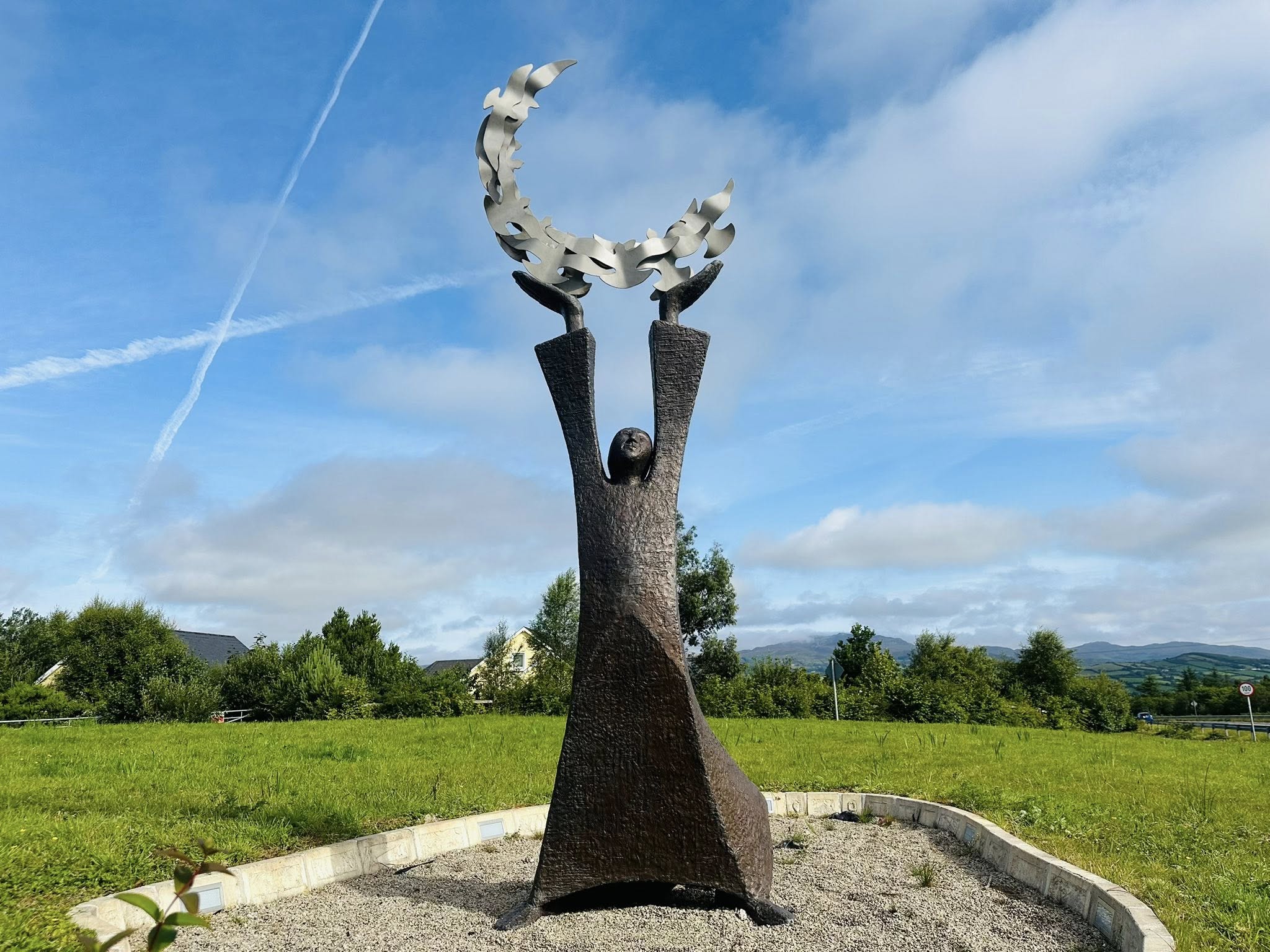
St Colmcille’s life and legacy are a testament to the enduring power of faith, learning, and community.
His contributions to the spread of Christianity, the preservation of culture, and the promotion of peace and reconciliation continue to inspire people today. As one of Ireland’s patron saints, Colmcille’s influence extends far beyond the shores of Ireland and Scotland, touching the lives of people around the world.
By reflecting on the history and values of St Colmcille, we can gain a deeper appreciation for the ways in which his life and work have shaped the religious, cultural, and social landscape of the British Isles and beyond.
His legacy serves as a reminder of the importance of faith, learning, and community in our own lives and in the world around us.
Further Information
Please find the link to the digitised Colmcille resources on the Donegal County library website here.
Also see the Colmcille Bibliography listing many of the resources relating to Colmcille found in the Donegal Studies Collection in Central Library, Letterkenny here.
If you are interested in exploring other Irish pilgrim paths, you will find more information here: pilgrimpath.ie